
Understanding Your Credit Score (and How to Improve It)
If you’ve ever checked your credit score and wondered, “what does this even mean?” you’re not alone. The number is important, but few people understand how it’s calculated. Here’s what your credit score is measuring and what you can do to improve it.
What is a credit score?
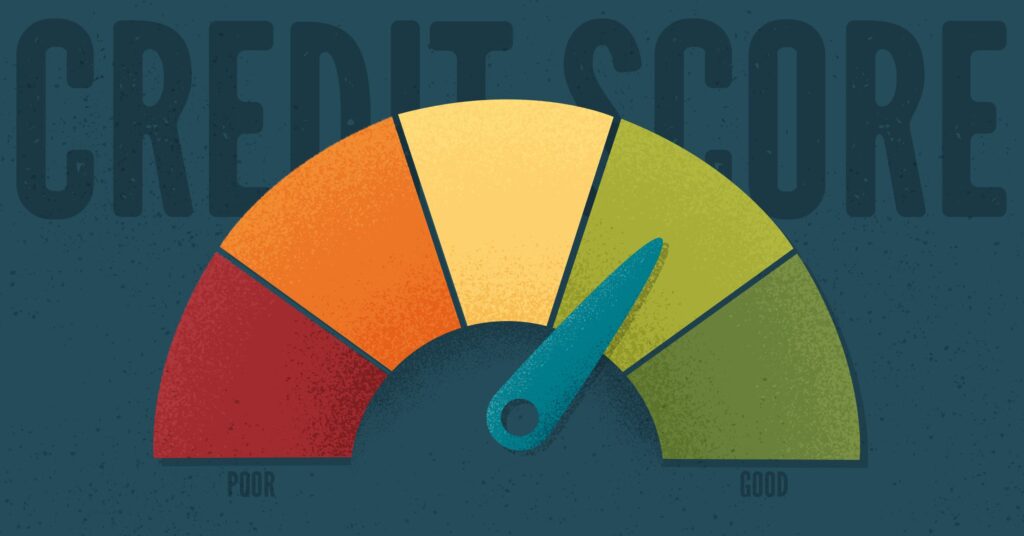
A credit score is a three-digit number, typically between 300 and 850, that summarizes your credit history into a single snapshot. Lenders use it to quickly assess how likely you are to repay a loan or make on-time payments.
The most widely used model is the FICO score, though there are others. Your score is calculated from the information in your credit report. Incidentally, that means if something’s off in your report, it will show up in your score.
What goes into your score?
The FICO score is built from five factors, each weighted differently:
- Payment history (35%): The single largest factor. Paying on time, every time, is the most powerful thing you can do for your score. A single missed payment can cause a noticeable drop, especially if your score was already high.
- Credit utilization (30%): How much of your available credit you’re currently using. A $4,000 balance on a $5,000 card is 80 percent utilization, which reads as risky to lenders even with a perfect payment history. Most guidance suggests staying under 30 percent, but lower is even better.
- Length of credit history (15%): Older accounts help your score. This is one reason closing a card you rarely use can backfire, even if the card is just sitting in a drawer.
- Credit mix (10%): Having different types of accounts, like a credit card alongside a car loan, can help. That said, don’t open accounts you don’t need just to diversify.
- New credit (10%): Each credit application generates a hard inquiry on your report. One or two a year is normal. Several in a short window can be a red flag to lenders.
What do the numbers mean?
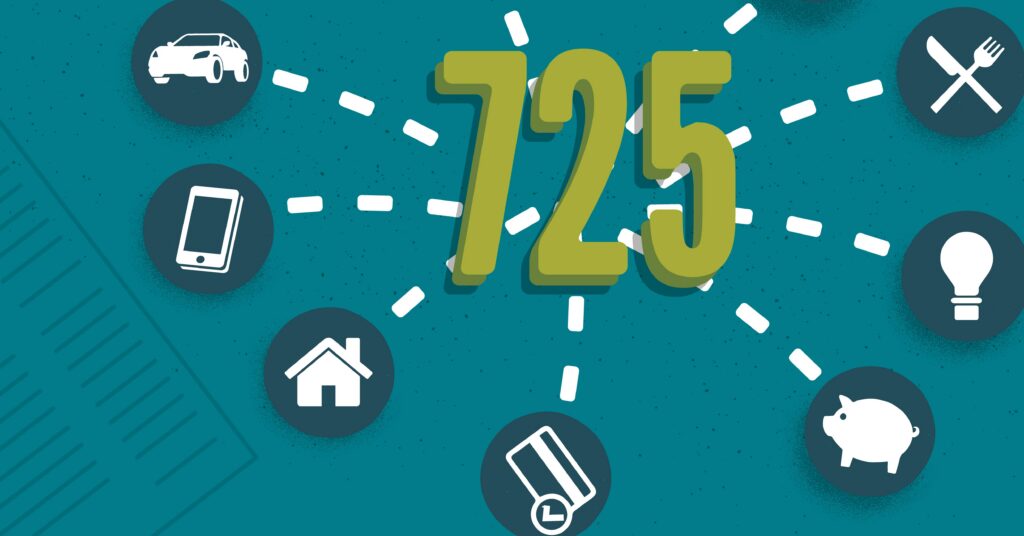
Credit scores range from 300 to 850. Don’t worry if your score isn’t perfect. You can always work to bring it up.
- 800-850 (exceptional): You’ll likely qualify for the best rates available.
- 740-799 (very good): You’re like to receive strong rates for nearly any loan.
- 670-739 (good): Lenders are likely to approve you, though not always at top rates.
- 580-669 (fair): You’d deal with higher rates, stricter terms and some denials.
- Below 580 (poor): It will be harder to get approved and significantly more expensive when you do.
One thing to note is that you don’t have just one score. FICO has multiple versions, and lenders may pull different ones depending on the type of loan. The number in your banking app may not match what a mortgage lender sees. That’s normal—focus on the habits, not the specific number.
How do you actually improve your credit score?
Getting a better score takes time and consistent habits. Here’s how to improve your credit score:

Pay on time, every time
Set up autopay for at least the minimum on every account. A missed payment is more damaging than almost anything else you can do, and the effect lingers on your report for seven years. So avoid missed payments at all costs.
Bring down your balances
Reducing your credit utilization is one of the fastest ways to move the needle. Focus first on the cards closest to their limits. As balances drop, your score typically responds within one or two billing cycles.
Avoid closing old accounts
The length of your credit history accounts for 15 percent of your score. Closing an old card may shorten your average account age and reduce your available credit, which increases your overall utilization ratio. This can negatively affect your credit score. While it’s sometimes necessary, proceed with caution when closing old accounts.
Limit new applications
Hard inquiries stay on your report for two years and can affect your score for up to 12 months. Apply for new credit only when you actually need it.
Check your report for errors
According to a 2024 Consumer Reports study, almost half of the participants found errors on their credit report. A mistake on your report can drag your score down unfairly. You can pull free credit reports at annualcreditreport.com (now available weekly), so review them regularly and dispute anything that looks wrong.
How long does it take?
It depends on where you’re starting from. Small changes, such as paying down a large balance, can show up in your score within a billing cycle or two. Rebuilding from a low score takes longer. Most people see meaningful improvement within six to 12 months of consistent positive behavior.
It’s safe to say that shortcuts don’t work. Anything promising a quick fix—credit repair services, score manipulation strategies—is either ineffective or designed to take your money. The real path is straightforward: pay on time, keep balances low and give it time.


Share