
Debt Consolidation: Does it Make Sense for You?
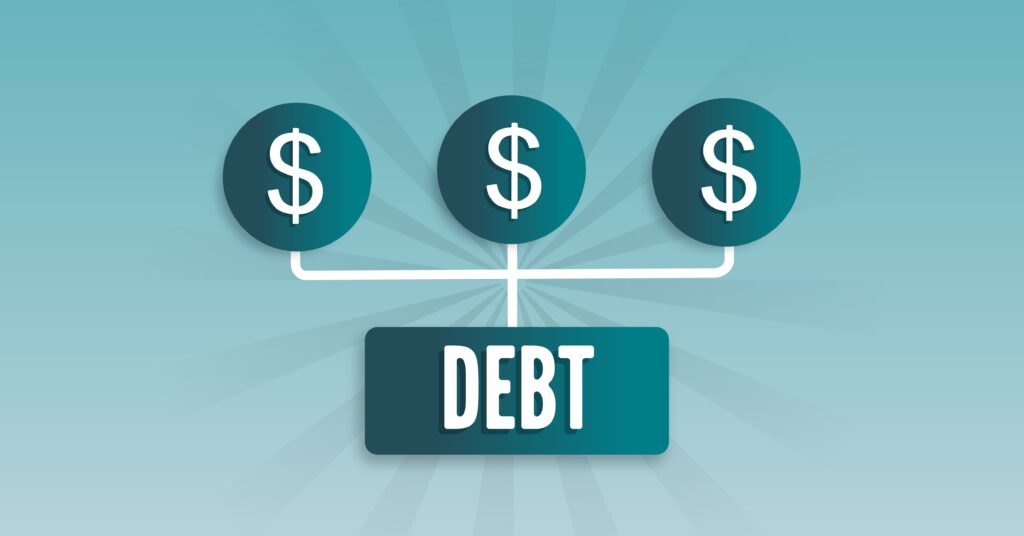
Managing several debt payments at once—each with different due dates, interest rates and minimum payments—gets complicated fast. Debt consolidation offers a way to simplify things: combine multiple debts into a single loan, ideally at a lower interest rate, and make one payment each month.
It’s a useful tool for the right situation. Here’s how it works and how to figure out if it’s a good fit for yours.
What is debt consolidation?
Debt consolidation means taking out a new loan to pay off multiple existing debts. Instead of juggling several accounts, you have one balance, one interest rate and one monthly payment. Done right, the new loan has a lower APR than the debts you’re replacing, which reduces the total cost of repayment.
Consolidation doesn’t eliminate debt—it restructures it. The goal is to make repayment more manageable and less expensive.
Common ways to consolidate debt
Personal loan
A personal loan from a bank or credit union is one of the most straightforward consolidation options. You borrow a fixed amount, repay it over a set term (typically two to seven years) and pay a fixed interest rate. Credit unions often offer lower rates on personal loans than banks or online lenders, particularly for members with solid credit.
Personal loans work well for consolidating credit card balances, medical debt or other unsecured debt. They typically don’t require collatera, and the fixed payment schedule makes budgeting straightforward.
Balance transfer credit card
Many credit cards offer a 0% APR introductory rate on balance transfers for a short time. Transferring high-interest balances to one of these cards can give you time to pay down your debts without additional interest accruing.
But there’s the catch: most credit cards charge a balance transfer fee of 3 to 5% of the transferred amount. Also, if you haven’t paid off the balance by the end of the promotional period, the standard APR will apply—and it could be high. This option works best for people who can realistically pay off the balance within the promotional period.
Home equity loan or HELOC
If you own a home, you may be able to borrow against your equity to pay off other debts. Home equity loans and home equity lines of credit (HELOCs) typically offer lower interest rates than unsecured personal loans because the loan is secured by your home.
Of course, you need to be careful. In this scenario, your home is collateral. If you’re unable to repay the loan, you could risk foreclosure. Converting unsecured credit card debt into debt secured by your home is a big decision and worth careful consideration.

When does debt consolidation make sense?
Consolidation tends to be a good move when:
- Your new loan or card offers a significantly lower interest rate than your current debts
- You have a reliable income and can commit to the new payment schedule
- You’re motivated to pay off the debt and won’t accumulate new balances on the cards you’ve paid off
- The simplification of one payment genuinely helps you stay on track
It’s less likely to help when:
- The new rate isn’t significantly lower than what you’re already paying
- The loan term is much longer, which may lower the monthly payment but increase total interest paid
- You continue adding to credit card balances after paying them off with the consolidation loan
What to watch out for
Fees
Origination fees on personal loans, balance transfer fees on cards and closing costs on home equity products can add up. Factor these into your comparison when deciding if consolidation loan saves you money.
Longer repayment terms
A lower monthly payment sounds attractive, but a longer term means more months of interest payments. Run the total cost comparison, not just the monthly payment comparison.
The spending pattern problem
Consolidation pays off your credit cards—but it doesn’t close them. Many people consolidate, feel relief and then gradually run the cards back up. Before consolidating, think honestly about what led to the balances in the first place and whether a budget adjustment is also needed.
How to compare your options
Before committing to a consolidation loan, do the math:
- Add up your current total monthly payments and total remaining interest across all debts
- Compare that to the new loan’s total monthly payment and total interest over its term
- Factor in any fees
- Make sure the new option is actually better, not just simpler
Many lenders offer prequalification with a soft credit pull, which lets you see your likely rate without affecting your credit score.
Talk it through with Horizon
Horizon offers HELOCs and personal loans that may be a good fit for debt consolidation. Our team can help you understand your options, compare costs and find a solution that fits your situation. Stop by your local Horizon branch or give us a call to learn more. (Subject to credit approval).


Share