
How to Budget: A Simple Guide
Some people feel like budgeting is harsh, but it shouldn’t be that way. Really, it’s just telling your money where to go instead of wondering where it went. This guide covers the fundamentals of budgeting: how to build one, which methods work best for different situations and how to manage your money when income is unpredictable, expenses spike or life doesn’t go according to plan.
What a budget actually does for you
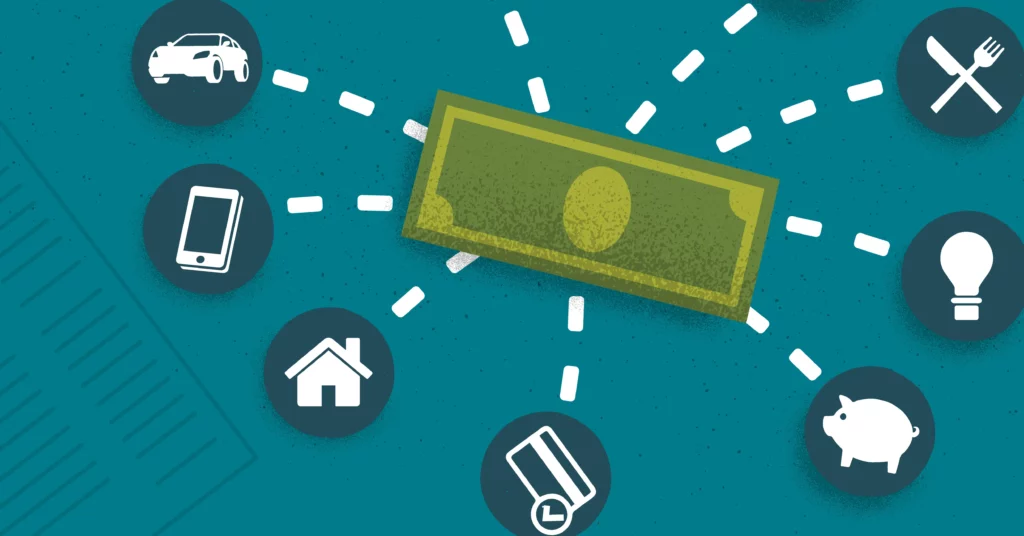
In basic terms, a budget is simply a record of your income and expenses. But a good budget does more than just track your spending—it gives you a framework for making decisions.
When you know exactly what you’re spending on housing, food, transportation and everything else, you can see clearly whether your spending reflects your priorities. Many people who build a detailed budget for the first time find at least one or two categories that surprise them.
A budget also helps you adjust. When an expense goes up or your income drops, a budget shows you where there’s flexibility and where there’s not. Without a budget, you may find yourself reacting to change instead of intentionally adjusting.
Building a budget
Budgeting doesn’t have to be complicated. Here’s what you’re doing in a nutshell:
- Getting a clear picture of your actual spending and savings habits.
- Estimating your income and take home pay.
- Choosing where to spend your money before you spend it.
- Adjusting and trying again. Budgets are never perfect!
One of the easiest ways to budget is to use a digital budgeting app. These apps can track your transactions, sync accounts from different financial institutions, and help you make calculations without using complex spreadsheets or having to do lots of math.
If you’re not using a digital tool, follow these steps with a pen and paper or in a computer spreadsheet:
- Calculate your monthly take-home income: Your income after taxes and deductions.
- Track your spending: Write down every transaction and begin categorizing them.
- Compare your income and expenses: Subtract your expenses from your income to determine if you’re overspending or savings money.
- Assign every dollar a job: Now that you understand your monthly income and expenses, you can plan ahead to only use your income the way you want. Make sure you’re not spending more than you earn.
- Review your budget and adjust: Budgets are always going to be a little off, so don’t be discouraged. Here’s a secret: it’s actually more important to plan and think ahead than it is to follow your budget perfectly. Give yourself some grace and use it as a tool, not a rule.
If you’re starting from scratch, check out our step-by-step guide on how to create a budget.
What to do when expenses exceed income
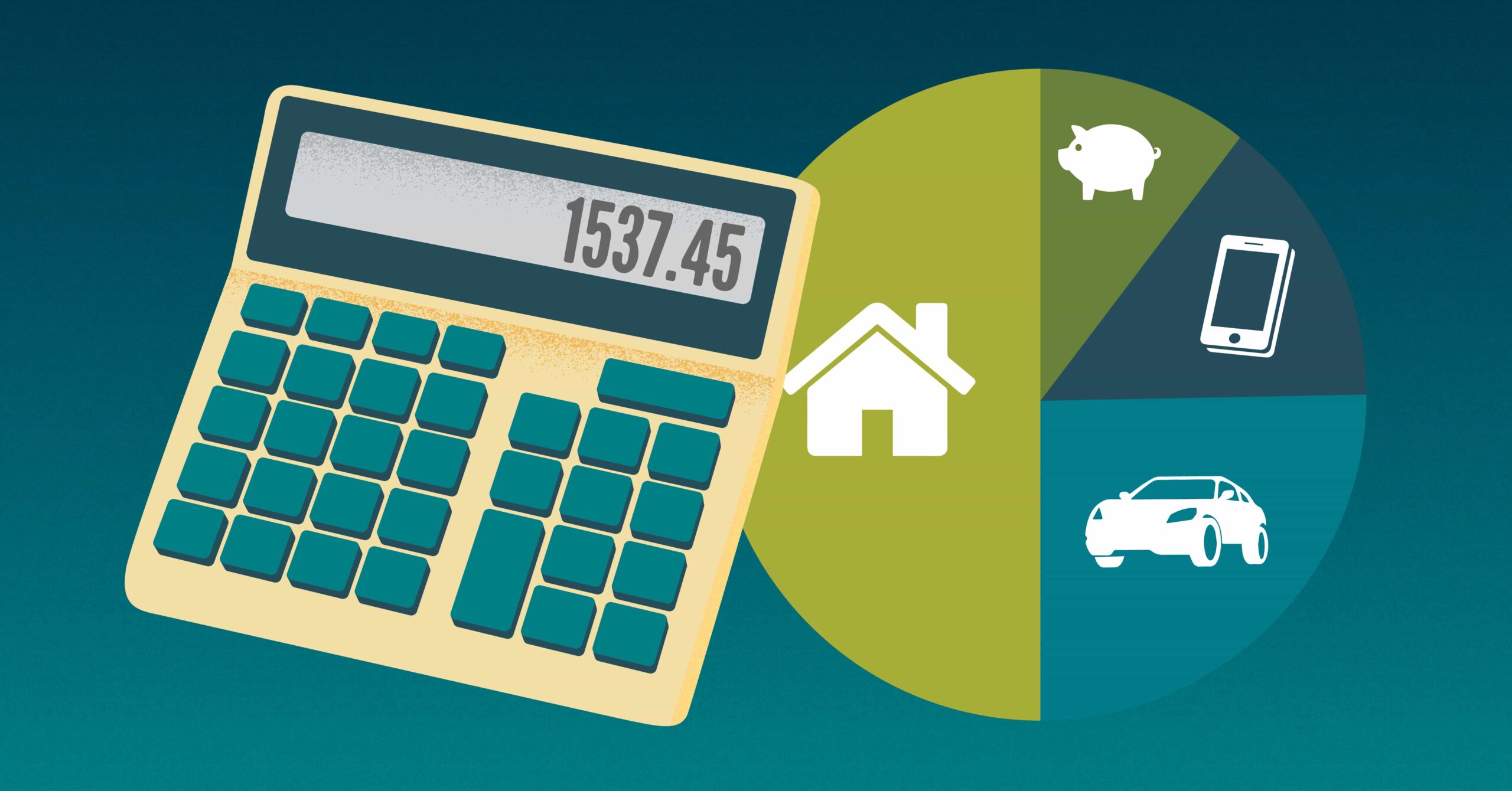
If your expenses are higher than your income, you have to make adjustments somewhere. Start by separating needs from wants. You may be able to reduce spending on dining out, subscription services, entertainment and impulse purchases.
If cuts to wants aren’t enough, look at needs. Can you refinance a loan for a lower payment? Is your insurance rate competitive? Are there utility usage habits that could reduce monthly costs?
Also consider your income. A side project, extra hours or a raise can change the equation faster than cutting expenses alone.
Budgeting on a variable or irregular income
Variable income makes budgeting feel harder, but the same principles apply with a few adjustments.
Budget from your lowest expected monthly income. In months when you earn more, put the surplus toward savings, an emergency fund or debt payoff rather than expanding your regular spending. This creates a buffer that smooths out the lean months.
Some people with irregular income find it helpful to pay themselves a consistent ‘salary’ from a business or freelance account—depositing all income there and transferring a fixed amount to personal accounts each month. This separates the variability from your day-to-day budgeting.
Building an emergency fund into your budget
An emergency fund is one of the most important line items in any budget. Without one, an unexpected expense—a car repair, a medical bill, a job disruption—tends to end up on a credit card, which creates debt that takes months or years to pay off.
The target for most people is three to six months of living expenses in a dedicated savings account. If that feels out of reach, start with a smaller goal: $500 or $1,000. That covers most common emergencies and keeps your budget from getting derailed.
Treat the emergency fund contribution as a fixed expense in your budget until you hit your target. Then redirect that amount toward other savings goals.
Reviewing and adjusting your budget
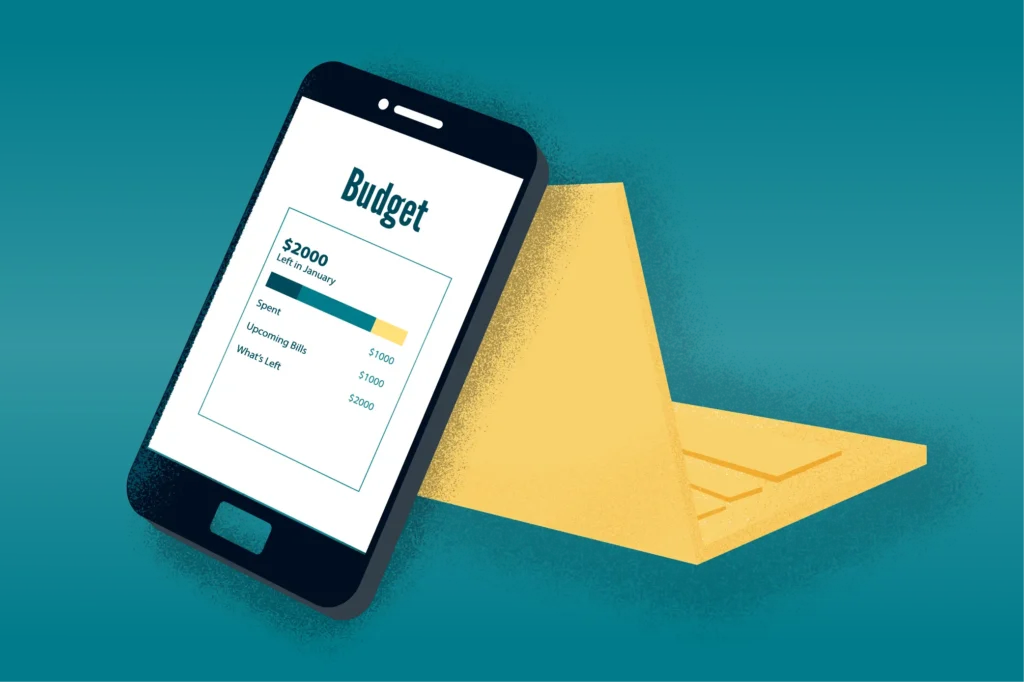
A budget isn’t a document you create once and forget. Life changes. Income goes up and down, expenses shift and priorities evolve. A monthly review keeps your budget current and your plan realistic.
Once a month, compare what you budgeted to what you actually spent. Where were you over? Where were you under? A few minutes of honest review each month is enough to catch problems early and make adjustments before they compound.


Share